Climate Impact on Rentals & Why Investors Can’t Ignore the Shift
For several years, rental property maintenance primarily followed predictable patterns. This is particularly accurate for seasonal maintenance, which can be carried out at the same time each year, similar to yearly maintenance. Currently, those concepts swiftly transform, just like our climate. Extreme weather and other climate shifts are changing how often rental properties need repairs, how long major systems can last, and how much investors must budget for regular upkeep.
The reality that the climate impact rentals encounter isn’t confined to a single major occurrence might be the most challenging aspect of this scenario. It illustrates through cumulative stress over time: increasingly hotter summers, heavy rain, stronger storms, and fluctuating temperatures during the winter, that slowly yet certainly increased wear and maintenance costs.
This means the following for rental property owners:
- Shorter replacement cycles for major systems
- More frequent inspections and preventative repairs
- Higher long-term operating expenses (if planning remains unchanged)
Unfortunately, overlooking changing climate trends can gradually lessen a portfolio’s profitability over the years. This is why investors must begin formulating strategies immediately to mitigate the impact our changing climate will have on their earnings.
Key Climate-Driven Maintenance Challenges
When we think about how climate and the environment impact rental properties, it’s clear that the property exteriors will be the first to exhibit signs of increasing wear. But climate change trends can also negatively impact large structures. Some of the key maintenance challenges that investors should recognize include:
- Heavier Rainfall and Flood Risk: Increased rainfall places extra pressure on rooftops, drainage systems, sewage networks, and lower levels of buildings. Even residences that aren’t situated in flood-prone zones can experience moisture intrusion, resulting in mildew, timber decay, and structural concerns that raise maintenance costs.
- Rising Temperatures and Heat Stress: When it’s blistering outdoors, HVAC systems have to work longer and harder. Roofing elements, adhesives, and outer surfaces also deteriorate more rapidly under prolonged heat and UV exposure, increasing the incidence of replacements and repairs.
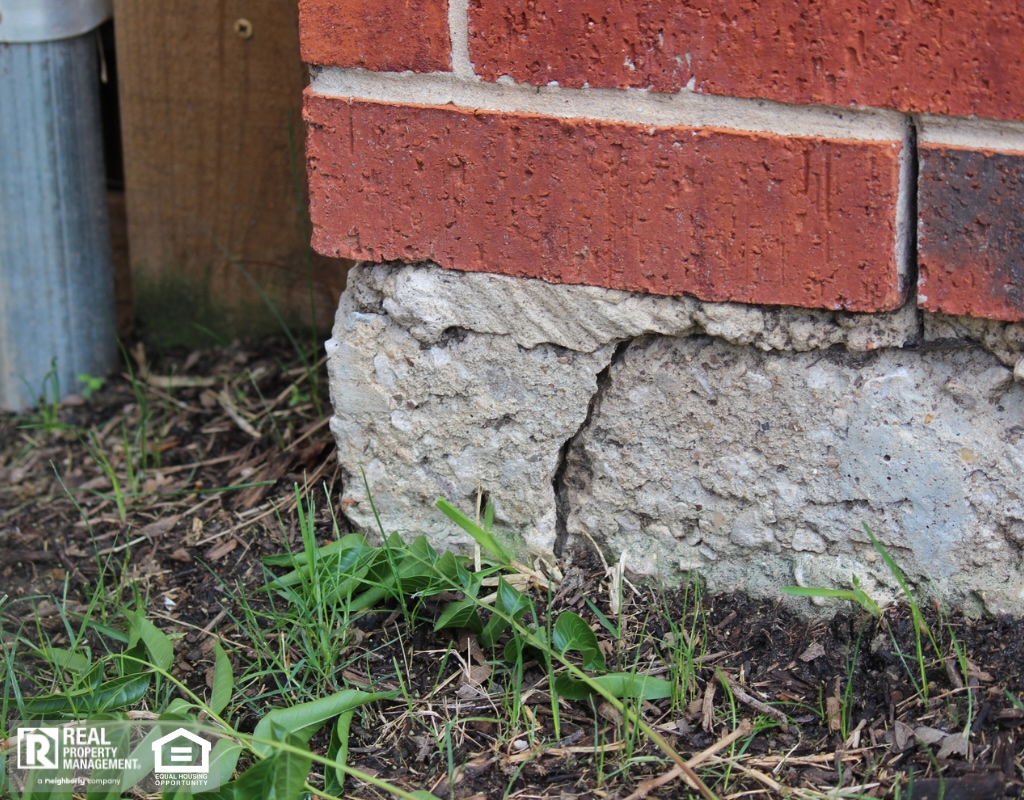
- Colder Extremes and Freeze-Thaw Cycles: In chillier regions, repeated freeze-thaw cycles result from fluctuating temperatures. This leads to concrete fractures, damage to masonry, and frozen or burst pipes, which can be costly and disruptive.
- Increased Storm Intensity and Wind Damage: Sidewalks, windows, fences, and trees are more prone to being harmed by stronger storms. Even when insurance covers major events, deductibles and non-covered repairs still impact cash flow.
Due to these and other climate-related events, the additional stress of climate change hastens wear and tear and quickens the aging process of building materials. Roofs deteriorate more quickly, exterior paint fades sooner, and mechanical systems fail earlier than expected.
Throughout the years, this accelerated wear compounds costs. What once required maintenance every 10 to 15 years may now need attention much sooner, which can change long-term budgeting and investment return estimates.
Real Estate Climate Upkeep Strategies That Protect ROI
In a climate-stressed environment, a proactive strategy to repair and maintain turns out to be significantly expensive. Unforeseen expenses like emergency repairs, tasks performed outside regular hours, and relocating tenants all diminish profits.
On the other hand, preventive maintenance promotes predictability. If property owners address minor issues promptly, they can extend and stabilize operating expenses even amid varying circumstances.
In the realm of real estate climate maintenance, it’s truly wise to emphasize durability and proactive measures. This is the reason savvy purchasers are placing increasing importance on:
- More frequent inspections of the greater-risk locations
- Climate-appropriate materials and upgrades
- Better drainage, ventilation, and insulation
- Timely repairs to prevent weather-related escalation
Collectively, these methods can help control costs and reduce surprise expenses.
Climate Trends Are a Maintenance Reality, Not a Future Problem
The climate-related impact on rental properties is already influencing long-term maintenance costs. Investors who recognize this shift now and strategize accordingly will be more equipped to protect and preserve the value and cash flows of their assets. That’s because climate-aware maintenance isn’t a choice; it’s a strategy.
Maintenance scheduling at Real Property Management Enterprises considers what is factual today, rather than what was believed to be accurate in the past. Your local experts in Edmond and the nearby regions are eager to assist. Contact us online today or call 405-463-0040 to get data on how our proactive, climate-aware maintenance approaches enable rental property investors to plan with assurance.